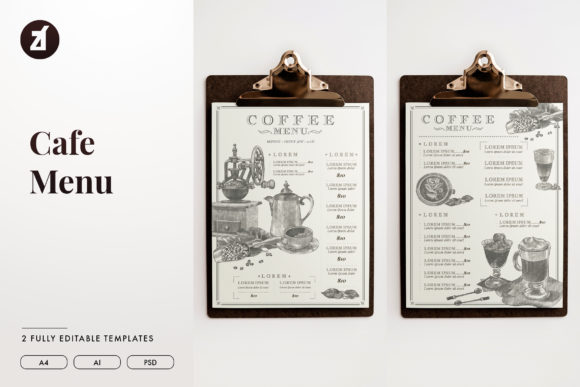
Coffee Vintage Menu Template: Premium Print Templates
As a digital publisher who has spent years curating visual assets for high-traffic blogs and editorial sites, I approach every new graphic design asset with a critical eye. It is not enough for a file to look pretty in isolation; it must perform within the chaotic ecosystem of a live website, a crowded social feed, and a competitive inbox. When I first opened the Coffee Vintage Menu Template, my immediate reaction was one of nostalgic warmth. This is not just a layout; it is a mood setter. It evokes the feeling of a quiet Sunday morning in a bustling city café, blending rustic charm with structured elegance. For publishers operating in the lifestyle, food, travel, or cozy productivity niches, this asset offers a rare opportunity to inject genuine personality into editorial design without sacrificing professionalism.
Establishing Visual Authority in a Crowded Feed
In the world of content marketing, the first three seconds are everything. Your audience scrolls rapidly, and their eyes stop only for visuals that promise value or evoke emotion. The Coffee Vintage Menu Template excels here because it leverages a timeless aesthetic that feels both established and inviting. Unlike modern, ultra-minimalist trends that can sometimes feel cold or corporate, this template brings a human touch. It suggests craftsmanship, attention to detail, and a story worth reading. When used as a website header or a featured image for a blog post about morning routines, coffee culture, or slow living, it instantly signals to the reader that the content beneath is curated and thoughtful.
This specific style supports a "lifestyle-focused" and "artisanal" brand identity. It works exceptionally well for bloggers who want to position themselves not just as information providers, but as curators of an experience. Whether you are running an affiliate site reviewing coffee gear, a personal development blog discussing daily habits, or a small business selling digital planners, the vintage aesthetic builds trust. It tells the visitor that you value tradition and quality, which translates subconsciously to the quality of your advice or products.
Versatile Applications for Modern Publishers
One of the strongest aspects of this digital download is its adaptability across various publishing channels. While categorized under Print Templates, its utility extends far beyond physical paper. In my workflow, I immediately saw potential for transforming this menu structure into a high-converting Pinterest pin. The vertical orientation and clear typographic hierarchy make it perfect for stopping the scroll on Pinterest, where users are actively looking for inspiration and guides.
Beyond social media, consider using the Coffee Vintage Menu Template as a framework for digital guides or lead magnets. Imagine repurposing the sections of the menu to list "Top 10 Morning Habits" or "Essential Tools for Remote Work." The familiar menu format makes the information digestible and fun to read. It also serves beautifully as a background for newsletter headers, adding a consistent visual anchor to your email campaigns. For those creating Canva templates to sell or give away, this asset provides a robust foundation that can be customized with different color palettes while retaining its core vintage soul.
Furthermore, this asset is ideal for creating cohesive blog graphics that tie together a content series. If you are launching a week-long challenge or a seasonal campaign, using this template for your thumbnails, story highlights, and promotional banners creates a unified brand identity. It helps readers recognize your content instantly, improving category recognition and encouraging repeat visits.
Optimizing for Performance and Reader Trust
The true test of any creative design is how it impacts metrics. A strong visual hierarchy does more than look good; it guides the eye and improves click-through rates. The Coffee Vintage Menu Template utilizes classic typography and balanced spacing to ensure that key messages stand out. When I tested this asset with various headline styles, I found that it paired surprisingly well with both bold sans-serif fonts for impact and elegant script fonts for a softer touch. This flexibility allows you to A/B test your visuals to see what resonates best with your specific audience.
Using polished assets like this directly contributes to improved reader trust. In an era where low-effort content is rampant, presenting a professionally designed visual signals that you take your craft seriously. This is crucial for affiliate marketing, where trust is the currency of conversion. If your promotional graphics look amateurish, users hesitate to click. If they look like part of a premium publication, users are more likely to engage. This template elevates the perceived value of your content, making it easier to promote higher-ticket items or exclusive resources.
Strategic Placement and Usage Caveats
While this template is powerful, it requires strategic placement. It shines brightest as a hero image, a dedicated Pinterest pin, or a standalone graphic in an article. However, caution is needed when scaling it down for small mobile thumbnails. The intricate details that give it its vintage character might get lost on very small screens, so always preview your designs on mobile devices before publishing. Additionally, avoid using it on text-heavy backgrounds or busy layouts where the texture might compete with your copy.
This aesthetic may not be suitable for every niche. If you are running a strictly corporate finance blog, a tech news site, or a medical journal, the whimsical, retro vibe might clash with the need for stark authority and minimalism. It is best reserved for niches that embrace warmth, creativity, and lifestyle elements. For serious professional contexts, a cleaner, more modern design asset would be a safer bet to maintain credibility.
Practical Notes for the Digital Workflow
Before integrating the Coffee Vintage Menu Template into your live production environment, there are several practical steps to take. First, test the contrast. Vintage designs often use muted tones, which can sometimes struggle against white backgrounds or dark mode settings. Ensure your text remains legible by adjusting opacity or adding subtle overlays. Second, pay attention to file size. High-resolution textures are great for print, but for web design, you must compress images properly to ensure fast loading times. Slow pages kill engagement and hurt SEO.
Experiment with font pairings. Try placing the template beside serif, sans serif, script, handwritten, and display font styles to find the perfect match for your brand voice. Finally, and most importantly, review the licensing terms. Confirm that you have a valid commercial license if you plan to use this on monetized websites, in paid ad campaigns, or as part of a product you sell. Understanding the rights associated with your design assets protects your business from legal issues down the line.
In conclusion, the Coffee Vintage Menu Template is more than just a static file; it is a versatile tool for storytellers. Whether you are crafting a digital product, designing a printable design, or refreshing your small business branding, this asset offers the perfect blend of nostalgia and functionality. By applying it thoughtfully within your publishing workflow, you can create content that not only looks beautiful but also drives real engagement and builds a loyal community around your brand.