Dalgona Coffee Recipe: A Designer's Review for Embroidery
When I first pulled up the Dalgona Coffee Recipe file on my screen, I wasn't just looking at a digital pattern; I was visualizing the final texture on fabric. As someone who spends hours hooping, threading, and trimming, my first impression is always about translation. How does this image move from a flat pixel grid to a tactile, stitched reality? This design, categorized under Print Templates, initially caught my eye for its trendy aesthetic, but my job is to dig deeper. Does it hold up under the needle? Is it viable for a small shop product or a high-end custom apparel piece? Let's break down how this design performs in a real-world embroidery project.
The Visual Mood and Layout Potential
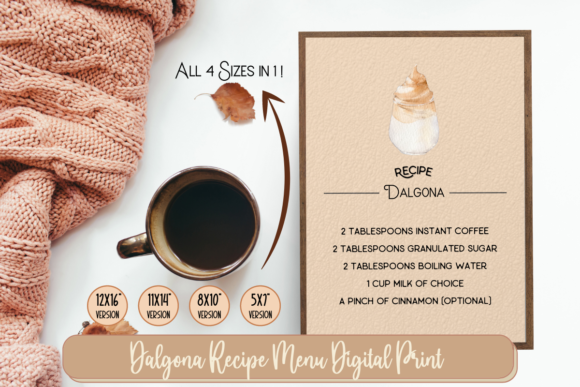
The immediate vibe of the Dalgona Coffee Recipe is cozy, modern, and undeniably Instagram-worthy. The layout typically features the iconic whipped coffee aesthetic, often paired with typography that mimics a handwritten recipe card or a chic café menu. For an embroidery designer, this presents a fun challenge. The theme screams "lifestyle," making it a perfect candidate for items that people want to display or wear with pride.
However, the visual personality relies heavily on the balance between text and imagery. If the design includes fine script detailing the ingredients or steps, we need to be cautious. In embroidery, tiny lettering can easily turn into a muddy mess if the stitch density is too high or if the thread contrast isn't sharp. My initial assessment suggests this design works best when scaled appropriately. It has a strong graphic presence that would pop on a canvas tote or a structured apron, but it might lose its charm if shrunk down too small for a pocket logo.
Real-World Application: The Café-Style Tote Scenario
To truly test the viability of this machine embroidery design, I imagined a specific client request: a local coffee roaster needing branded merchandise for their holiday launch. They wanted something that felt handmade yet professional. I envisioned stitching the Dalgona Coffee Recipe onto a heavy-weight cotton tote bag.
In this scenario, the design shines. The broad areas suitable for fill stitch work well on the textured surface of canvas, giving the coffee foam a fluffy, dimensional look that mimics the actual drink. The recipe text, if rendered in a clean satin stitch, adds a premium touch that screen printing often lacks. Customers interacting with this handmade product would feel the quality immediately. It elevates a simple grocery bag into a boutique accessory. For an Etsy seller or a craft business owner, this kind of application increases perceived value significantly. It's not just a bag; it's a statement piece for coffee lovers.
Beyond totes, I can see this working beautifully on kitchen textiles. Imagine a linen tea towel or a bistro-style apron. The embroidered patch effect created by dense stitching would withstand frequent washing better than a printed transfer, ensuring the finished product remains vibrant over time. For holiday embroidery gifts, pairing this design with warm, earthy thread colors on a cream background creates an instant heirloom feel.
Navigating Technical Challenges and Fabric Choices
While the aesthetic is strong, practical execution requires vigilance. One major consideration with the Dalgona Coffee Recipe is the potential for detailed corners and thin lines. If the design includes intricate borders around the recipe box or delicate swirls in the coffee illustration, these areas are prone to puckering on stretchy fabrics. I would advise against using this on thin jersey t-shirts unless you are an expert with stabilizer selection. A cut-away stabilizer is likely necessary here to prevent the design from distorting after the hoop is removed.
Dark fabric presents another hurdle. If you plan to stitch this on a navy sweatshirt or a black cap, you must verify the thread colors included in the digital embroidery file. Does the design account for underlay stitching that might show through? Will the light-colored threads used for the "whipped" coffee effect provide enough opacity against a dark background? Testing on scrap fabric is non-negotiable. I always recommend running a test stitch-out on the exact material you intend to sell. This prevents the embarrassment of delivering a custom apparel item where the background fabric bleeds through the stitches, ruining the clarity of the recipe text.
Furthermore, curved surfaces like caps require careful hooping. The center of a cap is small, and if the hoop size required for the full Dalgona Coffee Recipe exceeds the available area, you may need to edit the file or choose a different placement, such as the side panel. Always check the dimensions before committing to a project.
Commercial Viability and Brand Consistency
For small shop product creators, consistency is key. If you are building a brand around cozy, café-inspired goods, this design fits seamlessly. It enhances brand consistency by offering a recognizable visual motif across different items—from baby embroidery on onesies (if scaled down correctly) to large wall hangings. The professionalism of the stitch work directly influences customer trust. A clean, well-digitized design tells the buyer that you care about quality.
However, a crucial step for any commercial embroidery venture is verifying licensing. Since this asset originates from a Print Templates category, you must confirm whether the license extends to physical goods sold for profit. Some digital assets are for personal use only, while others allow for unlimited commercial production. Never assume. Check the terms before listing your Etsy listings or setting up a booth at a craft fair. Selling finished items without the proper rights can lead to serious legal issues.
Final Designer Notes and Recommendations
Before you start stitching, take a moment to review the file structure. Look at the stitch sequence. Does it jump excessively? Are there too many trims that could slow down production? For a craft business, efficiency matters. If the Dalgona Coffee Recipe requires constant thread changes for subtle shading, it might not be cost-effective for low-margin items.
I also suggest creating printable mockup previews using the design to gauge market interest before stitching a large batch. Visualizing the design assets on different backgrounds helps in marketing. Try viewing the design in black and white to ensure the contrast holds up even without color reliance. This is a great trick to test the robustness of the digitizing.
In conclusion, the Dalgona Coffee Recipe is a charming and versatile option for the right projects. It excels on stable, medium-to-heavy weight fabrics where its texture can be fully appreciated. With careful attention to stabilizer, thread choice, and licensing, it can become a staple in your portfolio of personalized gift ideas and boutique merchandise. Treat it with the respect a good recipe deserves: measure twice, stitch once, and enjoy the creative process.