Dentures Watercolor: A Designer's Take on Quirky Embroidery
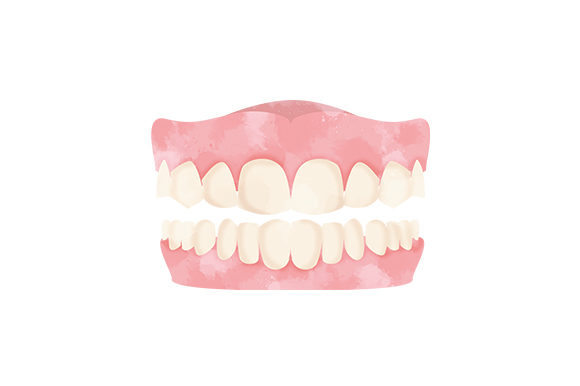
When I first pulled up the Dentures Watercolor file on my screen, I didn't just see a dental graphic; I saw a specific kind of humor that translates incredibly well into thread. As someone who spends hours tweaking stitch paths and selecting thread palettes for clients, I approach every new machine embroidery design with a critical eye. Will this hold up on a sweatshirt? Is the detail too fine for a textured towel? Does it scream "cheap novelty" or "boutique charm"? With Dentures Watercolor, the initial impression is surprisingly sophisticated despite the subject matter. The watercolor aesthetic softens what could otherwise be a stark medical illustration, turning it into something whimsical and approachable.
The layout feels intentional, avoiding the cluttered look that sometimes plagues digital downloads. For us designers, the flow of the shapes suggests a natural progression for the needle. It doesn't look like a blocky fill that will crack after three washes; instead, the organic edges hint at a blend of running stitch outlines and softer fill stitch areas that mimic the bleed of actual paint. This visual personality makes it a standout candidate for projects where you want to inject personality without sacrificing professionalism.
Real-World Application: From Screen to Stitch
To truly evaluate this embroidery file, I imagined a real-life scenario that many of us face daily: a custom order for a local dental hygienist looking for staff apparel. She wanted something fun for "National Dentist Day" but needed it to look cohesive with her clinic's branding. Dentures Watercolor fit this brief perfectly. Unlike a standard clip-art style graphic, the watercolor effect allows for a more nuanced color palette. I envisioned this stitched onto a high-quality navy blue polo or a crisp white tote bag used for patient gifts.
On a tote bag design, this motif would shine. The canvas texture of a heavy-duty bag provides enough stability for the stitches to sit flat, while the whimsical nature of the dentures adds a conversation-starting element. For sweatshirt embroidery, the design's slightly irregular edges work in your favor, blending seamlessly with the fuzzy surface of French terry or fleece. It avoids the "stiff plastic" look that dense, overly detailed designs often suffer from on soft garments. If you are an Etsy seller looking to expand beyond generic quotes, this design offers a unique angle for personalized gift markets, particularly for retirement parties, dental school graduations, or even quirky holiday stockings.
Navigating Fabric and Hoop Constraints
However, enthusiasm must always be tempered with technical reality. While Dentures Watercolor has great potential, there are specific scenarios where caution is required. If you are working with stretchy fabric like thin jersey knits for baby embroidery, you need to be mindful of the stitch density. Watercolor effects can sometimes rely on dense layering to achieve that blended look. If the density is too high, the fabric will pucker, and the "teeth" might distort into unrecognizable blobs. In these cases, using a high-quality cut-away stabilizer is non-negotiable.
Similarly, consider the hoop size. If the design includes fine detailing around the gum line or subtle shading gradients, shrinking it down to fit a small cap or a child's pocket might lose those nuances. Curved surfaces like baseball caps present another challenge; the structural rigidity of the front panel helps, but if the design extends too close to the edge of the hoop, you risk needle deflection. Always run a test stitch-out on a scrap piece of your intended material. Check how the thread colors interact with the base fabric. A design that pops on white might disappear on black unless you adjust the underlay or add a backing patch.
Elevating Brand Value and Customer Trust
In the world of craft business and handmade goods, presentation is everything. Using a distinctive asset like Dentures Watercolor from Designs Amp can significantly impact your brand perception. When a customer receives a finished product that features clear, well-executed stitching with a unique artistic flair, it builds trust. They aren't just buying a mug or a shirt; they are buying a piece of art. This design moves away from the mass-produced feel of generic vector graphics.
For commercial embroidery projects, consistency is key. If you plan to use this across a line of merchandise—say, aprons, tea towels, and tote bags for a dental supply shop—you need to ensure the embroidery project scales well. The watercolor style is forgiving; minor variations in stitch placement due to fabric tension are less noticeable than they would be in a geometric applique design or sharp satin column. This forgiveness can save you time on re-hooping and troubleshooting, allowing you to maintain tighter production schedules.
Practical Notes for the Professional Maker
Before committing to a full production run, here are a few actionable steps I recommend when working with this type of motif:
- Test on Scrap First: Never skip this step. Verify that the transition between colors creates the desired watercolor effect without leaving large gaps or excessive buildup.
- Check Thread Contrast: Ensure your chosen thread palette provides enough contrast against your fabric. If the watercolor shades are too similar to the garment color, the design will look muddy.
- Review Stitch Density: If the file feels too heavy, consider editing the density in your software if you have the skills, or switch to a lighter weight stabilizer to compensate.
- Mockup Verification: Create both color and black-and-white printable mockups. Sometimes a design relies too heavily on color differentiation, and seeing it in grayscale reveals structural weaknesses.
- Licensing Check: Always confirm the license terms provided by the creator. Whether you are selling physical small shop products or using the file as part of a larger design assets package, knowing your rights is crucial for legal peace of mind.
Ultimately, Dentures Watercolor represents the kind of niche yet versatile content that can set a maker apart. It bridges the gap between professional utility and playful creativity. Whether you are decorating a kitchen towel for a gag gift or creating a signature logo patch for a dental startup, this design holds its own. It reminds us that embroidery isn't just about floral monograms; it's about capturing personality in thread. By respecting the technical limitations of your machine and materials, you can transform this digital file into a tangible asset that delights customers and enhances your portfolio.