Profile of a Boy in Watercolour: A Designer's Review
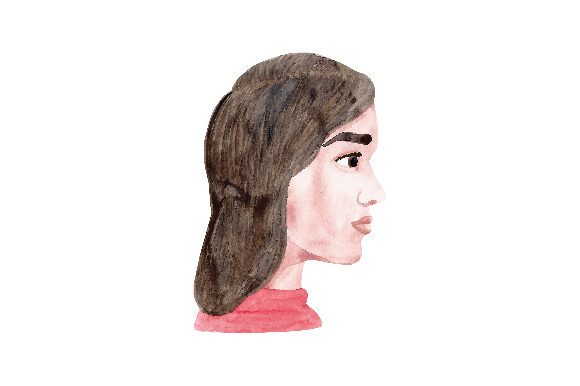
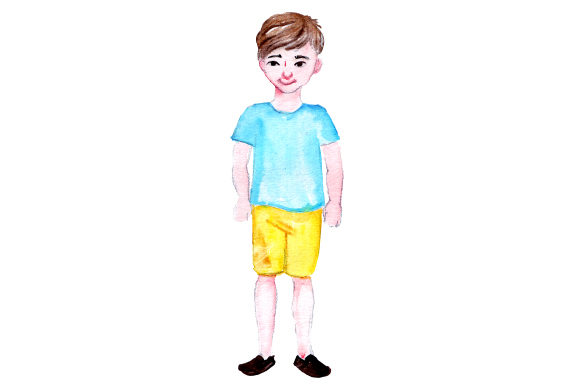
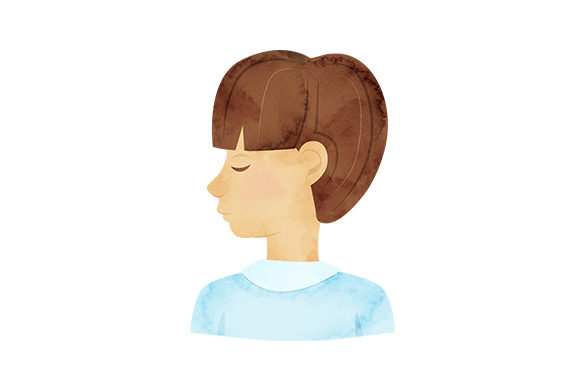
When I first opened the Profile of a Boy in Watercolour file on my screen, I wasn't just looking at another digital asset; I was visualizing the final stitched product in a client's hands. As someone who spends hours tweaking stitch paths and testing tension, my immediate reaction to this design was one of cautious optimism. The theme falls squarely into the Children category, but the execution suggests something far more sophisticated than a standard nursery motif. It carries a softness that is difficult to achieve with thread, mimicking the bleed and flow of actual watercolour paint. For embroidery designers and small business owners, the question isn't just whether the image is cute, but whether it translates effectively from a raster-inspired concept into a durable, high-quality machine embroidery design.
First Impressions and Visual Personality
The mood of this piece is gentle and nostalgic. Unlike bold, graphic vector art that relies on hard edges and solid blocks of color, this design attempts to capture the ethereal quality of wet-on-wet painting. In a real-world embroidery project, this presents both an opportunity and a challenge. The visual personality is perfect for items that need to feel personal and heartfelt rather than commercial and loud. When I imagine this stitched out, I see it working beautifully on a heirloom-quality baby blanket or a boutique tote bag where the texture of the fabric plays a role in the final aesthetic.
However, the success of a "watercolour" style in embroidery relies heavily on how the digitizer handled the transitions. If the design uses too many short running stitch segments to mimic brush strokes, it risks looking sparse or unfinished on certain fabrics. Conversely, if it relies too heavily on dense fill stitch areas, it might lose that airy, transparent feel and become a stiff patch of thread. My initial assessment is that this design shines when given space to breathe. It is not a design that should be shrunk down to a tiny logo on a polo shirt; it needs room to display its gradient nuances.
Real-World Application: The Boutique Sweatshirt Scenario
To truly evaluate the Profile of a Boy in Watercolour, let's walk through a specific scenario. Imagine you are an Etsy seller preparing a line of custom sweatshirt embroidery for a holiday collection. You want to offer a personalized gift option where parents can add a child's initial or name alongside this profile. This design fits that brief perfectly because it feels less like a mass-produced graphic and more like a piece of art.
In this context, the design adds significant value to your handmade product. Customers are increasingly looking for unique design assets that don't look like generic clipart. The soft edges of this profile suggest a level of care and artistry that justifies a higher price point. When stitched onto a high-quality cotton blend fleece, the slight texture of the fabric can actually enhance the watercolour effect, making the threads blend slightly as they would pigment on paper. For a craft business, this kind of visual appeal drives buyer engagement. It stops the scroll on social media and invites the customer to imagine the finished product in their own home.
Beyond apparel, this design is exceptionally well-suited for tote bag design projects. A canvas tote with this embroidered profile becomes a stylish accessory rather than just a grocery carrier. It also works wonderfully for nursery decor, such as pillow covers or wall hangings, where the gentle subject matter creates a calming atmosphere. For holiday embroidery gifts, perhaps on a kitchen towel or an apron, it offers a timeless look that won't feel dated next year.
Technical Considerations and Fabric Compatibility
While the aesthetic is strong, we must discuss the technical realities of stitching this design. Watercolour effects often rely on subtle color shifts. In embroidery, this means managing thread colors carefully. If your machine has limited needle capacity, you may need to manually change threads frequently to capture the full range of the design. Before committing to a production run, I strongly advise testing the design on scrap fabric that matches your intended material.
Fabric choice is critical here. This design will struggle on highly textured fabrics like heavy terry cloth or rough linen, as the fine details of the profile may get lost in the weave. Similarly, stretchy fabrics require a robust stabilizer strategy. If you are attempting baby embroidery on a onesie, the stitch density must be low enough to remain soft against sensitive skin. A dense design can cause puckering or discomfort, ruining the comfort of the garment. Always check the density settings in your embroidery software before loading the embroidery file onto your machine.
There are also limitations regarding size and placement. This is likely not a suitable candidate for curved surfaces like caps unless the design is significantly simplified or resized, as the complex contours of the profile could distort on the front panel of a hat. Furthermore, if you plan to use this for an embroidered patch, ensure the edge detailing is sharp enough to be cut cleanly without fraying. Small details and tiny lettering nearby should be avoided; let the profile stand alone or pair it with large, clear typography.
Designer Notes for Commercial Use
For those integrating this into a small shop product line or using it for commercial embroidery projects, attention to detail is what separates amateur work from professional results. Here are my practical recommendations:
- Test on Contrasting Backgrounds: Verify how the design looks on both light and dark fabric. Watercolour styles sometimes lack the opacity needed to pop against black or navy backgrounds without an underlay adjustment.
- Check Hoop Size Requirements: Ensure your hoop size accommodates the full design without needing to re-hoop, which can lead to alignment issues.
- Review Stitch Types: Look for a balance of satin stitch for definition and fill stitches for volume. Too much satin can look shiny and plastic-like, detracting from the painted effect.
- Licensing Verification: Before selling finished items or printable mockups featuring this design, confirm the licensing terms. Some digital files are for personal use only, while others allow unlimited commercial sales.
- Mockup Testing: Create black and white mockups to ensure the contrast holds up even without color. This helps identify if any areas are too faint to stitch clearly.
Ultimately, the Profile of a Boy in Watercolour is a versatile asset for the thoughtful creator. It bridges the gap between digital convenience and handmade charm. Whether you are creating a personalized gift for a friend or expanding your inventory of custom apparel, this design offers a sophisticated narrative element. However, its success depends entirely on the executor's understanding of materials and machine capabilities. Treat it with the respect of a fine art piece—choose your canvas wisely, stabilize with precision, and let the thread do the painting. By doing so, you ensure that the final result honors the delicate intent of the original artwork, delivering a product that customers will cherish for years to come.