Review: Background Wood Valentine Sublimation for Embroidery
As a designer who spends more time at the hoop than away from it, I am always skeptical when I see a product titled Background Wood Valentine Sublimation listed under textures. My first instinct is to ask: can this actually translate into thread? Sublimation relies on ink soaking into polyester fibers to create smooth gradients and realistic wood grain effects, whereas embroidery is a tactile medium built on layers of thread, tension, and density. However, after pulling up the preview files and mentally mapping out how this specific texture could work in a real-world embroidery project, I found some compelling opportunities for those willing to adapt the concept rather than copy it pixel-for-pixel.
The Visual Mood and Design Personality
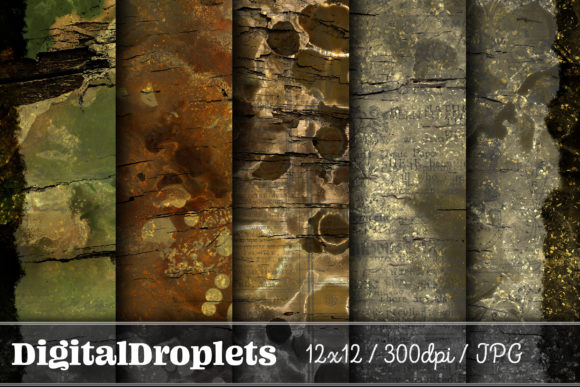
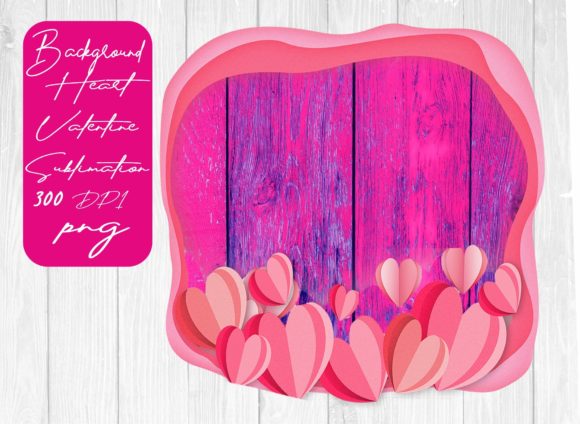
The core appeal of the Background Wood Valentine Sublimation asset lies in its warmth. It evokes a rustic, cabin-in-the-woods feeling that pairs surprisingly well with the romantic themes of Valentine's Day. Usually, February designs lean heavily into bright pinks, slick vectors, and perfect hearts. This texture offers a grounded alternative. It suggests a handmade, organic vibe that feels less like mass-produced retail and more like something you would find in a boutique craft shop.
When evaluating this as a potential machine embroidery design, the "wood" aspect presents a unique challenge. Real wood grain is irregular and linear. To replicate this with thread, one cannot simply use a standard fill stitch in a single direction. The visual personality of this design demands a multi-directional approach, perhaps utilizing varying lengths of running stitch or a textured satin stitch to mimic the grain without creating a solid block of color that loses the wood effect entirely. The Valentine element likely introduces heart shapes or romantic typography overlaid on this grain, which creates a lovely contrast between the rugged background and the soft subject matter.
Real-World Application: The Rustic Tote Bag Scenario
Let's walk through a practical scenario where I would actually use this concept. Imagine a client runs a small coffee shop and wants a limited-run merchandise drop for Valentine's Day. They want something that feels earthy and sustainable, avoiding the typical candy-heart aesthetic. This is where adapting the Background Wood Valentine Sublimation idea into an embroidered tote bag design shines.
I would not attempt to embroider the entire background as a solid fill, as the stitch density required to cover a large tote panel would make the bag stiff and unusable. Instead, I would treat the wood texture as a framing element or a localized patch. Picture a canvas tote where the center features a distressed, wood-grain textured rectangle—achieved through careful thread layering—containing a simple, elegant heart monogram. The result is a handmade product that looks high-end and intentional. Customers are drawn to items that feel substantial; the texture of the thread mimicking wood grain adds a tactile dimension that sublimation simply cannot offer on a fabric bag.
Another strong candidate for this design style is sweatshirt embroidery. A heather grey or oatmeal-colored crewneck serves as the perfect neutral canvas. By placing a smaller version of this wood-textured heart design on the left chest or the sleeve, you create a subtle nod to the holiday without screaming "Valentine's Day." This extends the wearable life of the garment, making it a better value for the customer and a smarter inventory choice for an Etsy seller.
Technical Considerations and Fabric Compatibility
While the aesthetic is promising, we must address the technical realities of translating a sublimation-style texture into thread. The original Textures category listing implies a focus on surface detail, but in embroidery, detail is dictated by thread count and needle penetration.
First, consider the fabric. If you are working with stretchy knits for baby embroidery projects, a dense wood-grain simulation could cause puckering. In these cases, I recommend scaling back the density and using a lighter weight stabilizer, or even converting the concept into an applique design where a piece of printed fabric provides the wood texture, and you only embroider the Valentine outlines. This hybrid approach often yields cleaner results on difficult fabrics like jersey or fleece.
Curved surfaces present another hurdle. If you plan to use this on a cap or hat, the large flat areas of a wood texture will struggle to conform to the front panel's curve. The thread may bridge gaps or distort the grain pattern. For headwear, it is better to isolate the Valentine motif and use the wood texture merely as a thin border or accent, keeping the main field of the cap free of heavy stitching.
Dark fabrics also require strategic planning. A light wood tone will vanish on black navy fabric unless you use a high-contrast thread palette. You might need to lay down a base layer of lighter thread before building the grain texture, effectively doubling your stitch count and production time. Always test your thread colors against the specific fabric stock you intend to use; what looks vibrant on screen can look muddy once stitched.
Enhancing Brand Value and Customer Trust
For commercial embroidery professionals and small shop product creators, the choice of design directly impacts perceived value. Using a generic, clip-art style heart often signals low effort. However, adapting a nuanced asset like Background Wood Valentine Sublimation shows a level of design thinking that justifies a higher price point.
When a customer holds an item where the texture feels deliberate and the stitching is crisp, it builds trust in your brand. It signals that you care about the finished product, not just churning out units. This is particularly important for personalized gift markets, such as wedding favors or anniversary presents, where emotional connection drives the purchase. A rustic, wood-textured heart pillow cover or kitchen towel feels heirloom-quality, whereas a flat digital print might feel disposable.
Furthermore, for those selling digital embroidery file assets, offering a "rustic wood" interpretation of a Valentine design fills a niche. Many designers are looking for alternatives to the standard glossy looks. By providing a file that successfully mimics this texture with optimized stitch paths, you provide a valuable tool for other craft business owners.
Practical Designer Notes for Execution
Before committing this design to a client order or listing it in your shop, there are several critical steps to take. Since exact specifications like stitch count or file formats were not provided in the initial product description, you must verify these details immediately.
- Test on Scrap Fabric: Never skip this. Stitch the design on the exact same material you plan to sell. Check for pull, puckering, and registration issues.
- Check Stitch Density: If the wood grain simulation requires too many stitches per inch, reduce the density settings in your digitizing software to prevent fabric distortion.
- Verify Hoop Size: Ensure the design fits within your available hoop size without needing excessive re-hooping, which can lead to alignment errors.
- Contrast Testing: View your design in black and white mockups. If the wood grain disappears without color, the texture relies too much on hue rather than stitch structure.
- Licensing Confirmation: If you are using the original sublimation art as inspiration for a new embroidery file, ensure you have the rights to create derivative works. If you are selling the finished physical item, confirm the license allows for commercial embroidery use.
- Wash Testing: Textured stitches can sometimes catch or fray after multiple washes. Run a few cycles to ensure the "wood" effect holds up over time.
In conclusion, while Background Wood Valentine Sublimation starts as a digital texture concept, its true potential for the embroidery community lies in adaptation. By thoughtfully translating those visual cues into thread, considering the limitations of fabric and hoop sizes, and focusing on the tactile experience of the final item, designers can create standout pieces for the Valentine's market. It is a reminder that the best embroidery project often comes from looking at a flat image and imagining how it would feel under your fingers.