Review: Background Leopard Valentine Sublimation for Embroidery
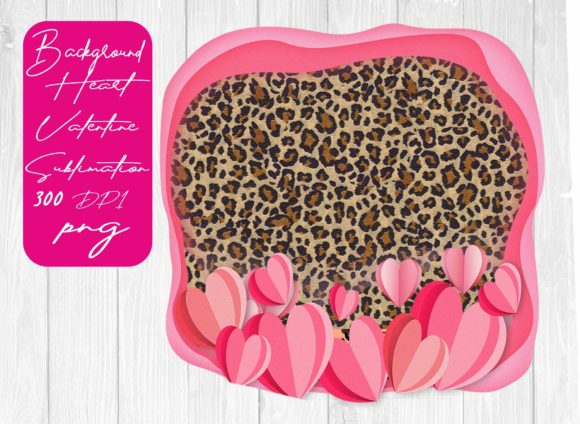
As a designer who spends more time staring at stitch maps than most people spend watching television, I approach every new digital embroidery file with a mix of curiosity and skepticism. When I first pulled up the Background Leopard Valentine Sublimation, my initial reaction wasn't just about the aesthetic; it was about feasibility. We often see designs labeled as "sublimation" that crafters attempt to translate into thread, and the results can range from stunning to disastrous. This specific pattern, categorized under Patterns, presents a unique challenge: how do we take a busy, textured leopard print background mixed with romantic Valentine motifs and make it work as a tangible machine embroidery design without creating a puckered mess?
The Visual Mood and Design Personality
The first thing that strikes you about the Background Leopard Valentine Sublimation is its bold personality. It isn't shy. The combination of animal print textures with hearts and likely some typographic elements creates a vibe that is equal parts wild and sweet. For a craft business owner, this duality is gold. It appeals to customers who want something trendy but still festive for February. However, from a technical standpoint, the "background" aspect is where the caution tape goes up. In sublimation, a busy background is free; in embroidery, every spot of color costs time, thread, and stability.
If you are planning to use this as a direct reference for stitching, you have to consider the stitch density. A true leopard print relies on irregular spots and gradients. If you try to replicate this exactly using fill stitch techniques, you risk turning your fabric into cardboard. The design works best if interpreted rather than copied pixel-for-pixel. Think of it as a mood board for your embroidery project rather than a strict blueprint.
Real-World Application: The Boutique Tote Scenario
Let's walk through a real-life scenario. Imagine a client comes to your small shop product line asking for a custom tote bag for a Galentine's Day party. They love the look of the Background Leopard Valentine Sublimation. If you were to slap a full-density version of this onto a canvas tote, the bag would stand up on its own from the stiffness of the threads. Instead, here is how I would execute this for a professional finished product.
I would isolate the central Valentine motif—perhaps a heart or a specific phrase—and render that in high-definition satin stitch or a detailed applique design method. For the leopard background, I would suggest using a printed fabric that matches the sublimation art, then embroidering only the focal point over it. This hybrid approach gives the customer the exact visual they wanted while maintaining the structural integrity of the handmade product. It saves on thread costs, reduces run time, and ensures the tote bag design remains soft and usable.
Apparel and Wearability Considerations
Moving beyond bags, let's talk about custom apparel. This design screams for a trendy sweatshirt embroidery project. Picture an oversized cream crewneck with the leopard Valentine motif placed slightly off-center on the chest. Here, the fabric texture plays a huge role. Fleece and French terry have loft. If the Background Leopard Valentine Sublimation concept is translated into too many small, dense stitches, the design will sink into the fabric or cause significant puckering.
For baby embroidery projects, I would advise extreme caution. While the colors might be cute for a nursery, the scratchiness of dense stitching against sensitive skin is a non-starter. If you must use this theme for infant wear, stick to light running stitch outlines or use it as inspiration for a fabric patch that is sewn on, keeping the back of the garment smooth.
Technical Challenges and Fabric Compatibility
The devil is always in the details, and with a pattern this complex, the details are everywhere. When evaluating this for commercial embroidery, you need to think about where it fails as much as where it shines.
- Small Hoop Sizes: Trying to cram the intricate details of a leopard print background into a 4x4 hoop size is a recipe for frustration. The stitch count per inch becomes too high, leading to thread breaks and bird nests.
- Textured and Stretchy Fabrics: On pique polo shirts or stretchy performance tees, a heavy background fill will distort the garment. The fabric will pull, and the item will look warped after the first wash.
- Dark Fabrics: If the original sublimation art relies on light spots over a dark background, replicating this in thread requires careful layering. You may need an underlay that matches the garment color to prevent the dark fabric from peeking through the lighter thread colors.
- Curved Surfaces: Applying this to caps is risky. The curvature of the front panel distorts wide designs. The leopard spots could look stretched or misaligned unless the digitizing specifically accounts for the push and pull of cap framing.
Enhancing Brand Value and Customer Trust
Why go through all this trouble? Because execution determines value. A sloppy attempt at recreating the Background Leopard Valentine Sublimation looks like a hobbyist mistake. A well-thought-out adaptation looks like a premium Etsy seller creation. When customers see clean edges, appropriate density, and smart material choices, their trust in your craft business skyrockets.
This design asset has the potential to elevate your printable mockup portfolio. Even if you aren't stitching every single spot, using the imagery in your marketing materials creates a cohesive brand story. It tells your audience that you understand current trends—mixing animal prints with holiday themes is very "now." However, ensure your physical embroidered patch or garment matches the quality of your digital previews. Discrepancies here lead to returns and bad reviews.
Practical Notes for the Professional Maker
Before you commit to selling items based on the Background Leopard Valentine Sublimation, take these practical steps to ensure success:
- Test on Scrap First: Never run a complex design on final goods without a test. Use the exact same fabric and stabilizer combination you plan to use for production.
- Check Contrast: View your digitized version in black and white. If the leopard spots disappear against the background in grayscale, your thread colors lack sufficient contrast, and the design will look muddy from a distance.
- Verify Licensing: Just because a file is available doesn't mean it's free for commercial use. Confirm the license terms before selling design assets or finished goods derived from this pattern.
- Simplify for Scale: If making a small item like a key fob or coin purse, strip away the background entirely. Focus only on the core Valentine element to maintain clarity.
- Wash Testing: Products meant for frequent washing, like kitchen towels or aprons, need robust anchoring. Ensure your satin columns are not too wide, as they can snag easily.
In conclusion, the Background Leopard Valentine Sublimation is a fantastic source of inspiration for the modern maker. It bridges the gap between edgy fashion and seasonal sweetness. However, its true potential is unlocked not by blind replication, but by intelligent adaptation. By respecting the limitations of thread and fabric, and by prioritizing the wearer's experience, you can turn a digital image into a cherished personalized gift or a best-selling holiday embroidery item. Remember, the best embroidery file is the one that looks as good on the garment as it does on the screen.