Review: Patterns Sunflower Digital Paper for Embroidery
When I first opened the folder containing Patterns Sunflower Digital Paper, my immediate reaction wasn't just about the visual aesthetic; it was about potential application. As a designer who spends hours hooping fabric and tweaking tension settings, I look at every digital asset through the lens of the finished product. Will this hold up on a heavy canvas tote? Will the details get lost on a textured sweatshirt? This review breaks down how this specific design performs in real-world embroidery scenarios, moving beyond the screen to the stitching field.
First Impressions: Mood and Visual Personality
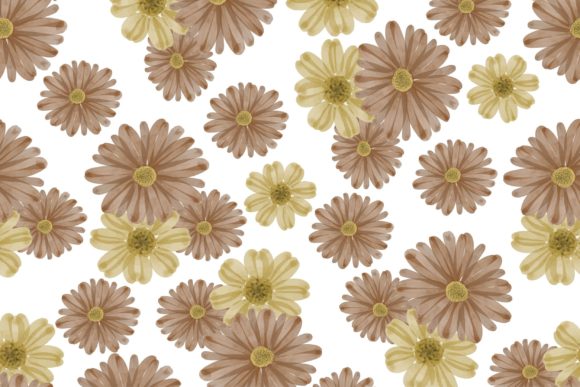
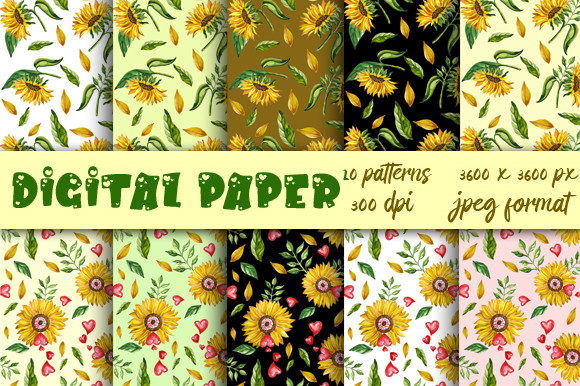
The initial vibe of Patterns Sunflower Digital Paper is undeniably warm and inviting. Sunflowers carry a universal language of happiness and summer, but the execution here feels grounded rather than cartoonish. The layout suggests a balance between organic flow and structured repetition, which is crucial for a pattern that might be tiled or used as a large fill area.
From a design judgment perspective, the shape language feels robust. There are no overly fragile lines that scream "breakage" under high-speed machine movement. The visual personality leans towards rustic charm, making it an excellent candidate for boutique branding or handmade products that aim for a cozy, artisanal feel. It doesn't try to be hyper-realistic, which is often a trap in embroidery design; instead, it embraces the medium, suggesting areas where satin stitch could shine alongside broader fill stitch sections.
Real-World Application: The Tote Bag Test Case
To truly evaluate Patterns Sunflower Digital Paper, I imagined a specific client project: a custom embroidered tote bag for a local farmer's market vendor. This is a common request for small shop owners and Etsy sellers. The goal was to create a durable, washable item that serves as walking advertisement.
In this scenario, the design's scale becomes critical. On a standard 15x15 inch canvas tote, this pattern works beautifully as a corner accent or a bottom-border repeat. The density appears sufficient to cover the weave of the canvas without sinking in, yet it shouldn't be so dense that it causes the fabric to pucker—a common issue with heavy fill stitches on flexible materials. If you are planning a similar tote bag design, the sunflower motif offers enough visual weight to stand out against natural or dyed fabrics.
For sweatshirt embroidery, the texture of fleece or French terry adds another layer of complexity. Here, the design's ability to sit on top of the nap is key. Based on the visual structure of Patterns Sunflower Digital Paper, it seems well-suited for this, provided you use a cut-away stabilizer to prevent the design from distorting after multiple wears. For baby embroidery projects, like a nursery blanket or a onesie, the cheerful theme is perfect, but you would need to ensure the backing is soft and non-irritating, perhaps opting for a lighter stitch density if the file allows for editing.
Versatility Across Product Lines
Beyond apparel and bags, this design asset has legs in home decor. Imagine a set of kitchen tea towels or a pillow cover for a fall-themed collection. The holiday embroidery market loves sunflowers in late summer and early autumn, making this a timely addition to seasonal inventories. For those selling digital embroidery files or finished goods, the versatility of this pattern means it can be marketed across multiple niches:
- Custom Apparel: Pocket logos on denim jackets or back patches on work shirts.
- Accessories: Embroidered patches for hats or backpacks.
- Home Goods: Aprons, oven mitts, and table runners.
- Gift Items: Personalized wedding favors or teacher appreciation gifts.
The key to success with Patterns Sunflower Digital Paper in these varied applications is understanding how the thread colors interact with the base material. A high-contrast thread on a dark fabric will make the design pop, while tonal stitching on a light fabric creates a subtle, sophisticated look ideal for upscale boutique products.
Technical Considerations and Potential Pitfalls
While the design is promising, a professional reviewer must also highlight where caution is needed. Not every surface is friendly to complex patterns. If you are working with stretchy fabric like jersey knit, the stability of the pattern becomes paramount. Without proper hooping and a high-quality stabilizer, the repeating elements of the sunflower pattern could shift, leading to misalignment.
Small hoop sizes present another challenge. If your machine only supports a 4x4 inch hoop, you may need to split the design or reduce the scale significantly. Reducing a pattern like this too much can cause the stitch density to become problematic, merging distinct petals or leaves into a solid blob of thread. Always check the minimum recommended size before committing to a run of commercial embroidery jobs.
Furthermore, consider the fabric texture. Highly textured materials like waffle weave or thick terrycloth can obscure fine details. In these cases, Patterns Sunflower Digital Paper might work best as a larger-scale application where the primary shapes remain clear even if the micro-details are softened by the fabric pile. For curved surfaces like caps, the center of the design should be placed carefully to avoid distortion around the seam.
Enhancing Brand Value and Customer Trust
Ultimately, the choice of design affects your brand perception. Using a well-executed pattern like Patterns Sunflower Digital Paper signals professionalism. Customers associate clean, crisp stitching with quality. If the design looks muddy or poorly digitized, it reflects poorly on the maker, regardless of how good the rest of the handmade product is.
For Etsy sellers and creative entrepreneurs, consistency is king. If this sunflower motif fits your brand's color palette and mood, it can become a recognizable signature element across your printable mockups and physical inventory. It helps build a cohesive story for your small shop product lines, making your items instantly recognizable in a crowded marketplace.
Practical Notes for the Working Designer
Before you launch into production with Patterns Sunflower Digital Paper, here is a checklist to ensure success:
- Test on Scrap: Never skip the stitch-out test. Use the exact fabric and stabilizer combination you plan to use for the final item.
- Check Contrast: View your design in black and white mockups to ensure the values separate correctly without relying solely on color.
- Verify Licensing: Confirm whether the license allows for commercial embroidery or if it is for personal use only. This is vital for avoiding legal issues when selling finished items.
- Inspect Details: Zoom in on the digital file to check for any stray stitches or overlapping paths that might cause thread breaks.
- Stabilizer Selection: Match your stabilizer to the fabric weight. Heavy designs on light fabric require serious support.
In conclusion, Patterns Sunflower Digital Paper offers a strong foundation for a variety of creative projects. Its strength lies in its adaptable mood and robust structure, suitable for everything from a simple personalized gift to a full line of custom apparel. By respecting the technical limitations of your machinery and materials, you can transform this digital asset into a tangible product that delights customers and strengthens your craft business.